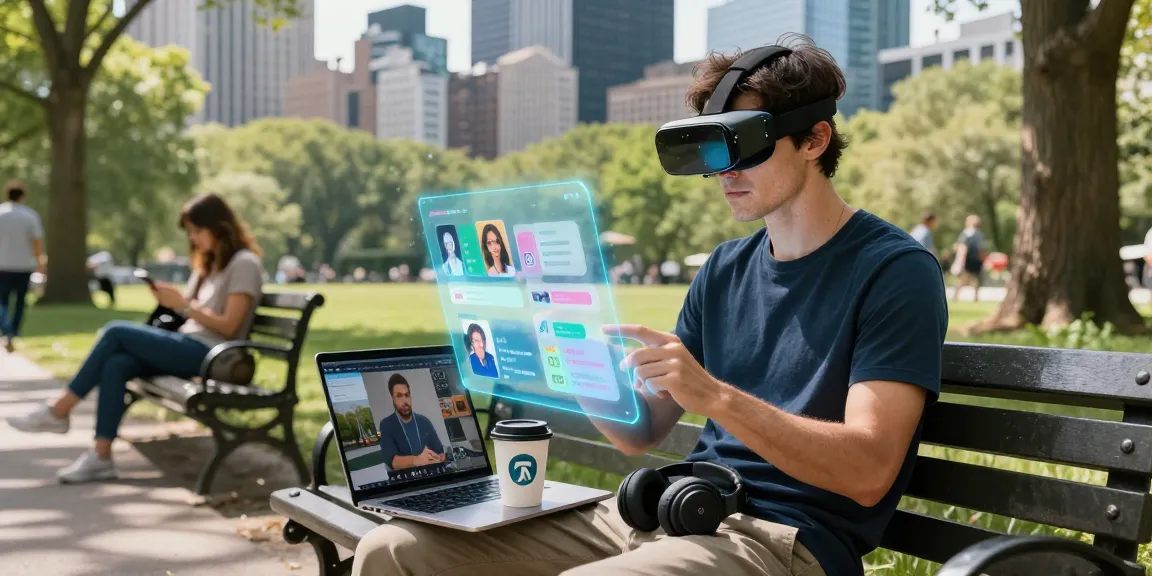
The Evolution of AR Glasses
Augmented Reality (AR) glasses have come a long way since their inception, evolving from niche technology into a mainstream device expected to redefine how we interact with the digital world. The journey began in the early 1990s with rudimentary prototypes that garnered interest primarily in academic and military contexts. Today, AR glasses are poised to revolutionize various sectors, from healthcare to entertainment, by enhancing real-world experiences with digital overlays. As we look towards 2026, understanding the current landscape of AR glasses is crucial for consumers and developers alike, especially as AR glasses continue to gain traction in everyday life.
History and Milestones in AR Technology
The concept of augmented reality dates back several decades, but its practical application has only gained momentum in recent years. Key milestones include the development of the first AR system, the Virtual Fixtures system by Louis Rosenberg in 1992, which was employed by the military for training and simulation exercises. Fast forward to 2013, when Google released Google Glass, a consumer-focused AR headset that sparked both interest and controversy. Despite its commercial struggles, Google Glass paved the way for further innovations in the field.
In 2016, Pokémon GO popularized AR technology globally, demonstrating the potential of immersive experiences beyond industrial applications. Following this success, tech giants like Microsoft and Apple made significant investments in AR. Microsoft's HoloLens, launched in 2016, is considered a benchmark for AR glasses, offering remarkable functionality for both commercial and creative uses.
Key Players Shaping the AR Glasses Market
The AR glasses market today is teeming with competition among leading tech companies. Some of the most notable players include:
- Microsoft: With its HoloLens, Microsoft has established itself as a pioneer in AR technology for enterprise use.
- Google: Continues to innovate in the AR space, focusing on integration with other Google services.
- Apple: Expected to launch its AR glasses soon, capitalizing on its vast ecosystem of products and services.
- Snap Inc: Known for its Spectacles, Snap is incorporating AR features into its social media platform, appealing to younger audiences.
- Vuzix: A leading manufacturer of AR smart glasses, Vuzix focuses on industrial and medical applications.
Future Trends in Augmented Reality Development
As we approach 2026, several trends are likely to shape the AR landscape:
- Increased Integration with AI: AI technologies will enhance the capabilities of AR glasses, improving user interaction and personalization.
- Focus on Health and Fitness: AR will find applications in fitness training and rehabilitation, providing real-time feedback and immersive experiences.
- Enhanced Communication Tools: Expect AR to facilitate more interactive communication platforms, blending virtual and real-world interactions.
Essential Features of AR Glasses
For AR glasses to achieve widespread adoption, they must incorporate several key features that prioritize user experience and functionality. These include:
Integrated Communication Tools for Seamless Interaction
One of the most compelling features of AR glasses is the ability to facilitate communication. Advanced models are expected to include integrated systems for video conferencing, allowing users to engage in virtual meetings while maintaining awareness of their physical surroundings. This ability to communicate effectively will be crucial in professional settings where collaboration is key.
Advanced Visual Display Technology and User Experience
Display technology is at the core of AR experiences. Future AR glasses will likely employ high-resolution displays that offer vivid colors and sharp contrasts, essential for an immersive experience. Additionally, user-friendly interfaces that allow for easy navigation and interaction with digital content will enhance usability.
Comfort and Usability: The Key to Acceptance
For AR glasses to be widely accepted, they must be comfortable for extended wear. This will involve ergonomic designs, lightweight materials, and adjustable features that accommodate various users. The evolution of form factor will be pivotal in ensuring that AR glasses become a regular part of daily life.
Comparative Analysis of Top AR Glasses in 2026
As the AR glasses market matures, consumers will have an increasing array of choices. This section provides a comparative overview of some of the top models expected to dominate the market in 2026.
Performance Metrics: How Different Models Stack Up
When evaluating AR glasses, performance metrics such as processing power, battery life, and field of view are critical. Models like the Microsoft HoloLens 2 and potential future offerings from Apple will be compared based on these parameters to help consumers make informed decisions.
User Reviews and Real-World Applications
User feedback is invaluable in assessing the effectiveness of AR glasses in real-world situations. For instance, users have praised the HoloLens 2 for its robust application in industrial settings, such as remote assistance and training, while other models might shine in gaming or fitness applications.
Price Point vs. Performance: What to Expect
Price is always a factor in consumer electronics, and AR glasses are no exception. Consumers can expect to see a range of products that vary significantly in price, reflecting differences in technology and intended use. Understanding the balance between price and performance will be essential for potential buyers.
Challenges and Misconceptions Surrounding AR Glasses
Despite their potential, AR glasses face several challenges that could hinder widespread adoption. Addressing these challenges involves dispelling common misconceptions about the technology and its implications.
Common User Misunderstandings about AR Technology
Many users are unaware of the true capabilities of AR glasses, often conflating them with virtual reality devices. Unlike VR, which immerses users in a completely digital environment, AR enhances the real world, providing contextually relevant information. Educating consumers about these differences is pivotal for acceptance.
Addressing Privacy Concerns with AR Usage
Privacy remains a significant concern for users considering AR glasses. Companies must prioritize security features, including encryption and user control over what data is shared, to alleviate fears around surveillance and data misuse. Transparency in how data is collected and used will be essential in building trust.
Overcoming Technical Barriers to Adoption
Technical barriers such as limited battery life, bulky designs, and connectivity issues can deter users from adopting AR technology. As manufacturers address these obstacles with innovative solutions, user acceptance is expected to rise, making AR glasses more viable for everyday activities.
The Future of AR Glasses and User Engagement
Looking ahead, the impact of AR glasses on user engagement and interaction is immense. They hold the potential to transform how we connect with technology and each other.
Innovative Applications in Various Industries
AR technology is poised to enhance a multitude of sectors, including education, where interactive lessons can make learning more engaging, and healthcare, where real-time data can guide surgeries. Expect to see increasing applications that leverage AR's ability to overlay critical information in real-time.
Potential for Enhanced Communication and Collaboration
As more businesses adopt AR technology, we can anticipate a shift towards more collaborative work environments. Enhanced communication tools will facilitate smoother interactions, whether in the office or remote settings, ultimately leading to increased productivity.
Looking Ahead: Predictions for the Next Decade
By 2036, the landscape of AR glasses may resemble something out of science fiction, with advanced capabilities such as eye-tracking technology, seamless integration with smart home devices, and expansive networks that allow for comprehensive data sharing across platforms. The possibilities are boundless, and innovation will dictate the trajectory of this technology.
What are AR glasses and how do they work?
AR glasses are wearable devices that overlay digital information onto the real world through transparent displays. They typically use cameras, sensors, and computer vision to detect the environment and enhance the user’s view with relevant data or graphics. This technology can enable interactive experiences in various contexts, from gaming to navigation.
Are AR glasses safe for everyday use?
Safety varies by device and its applications. Most AR glasses are designed with user safety in mind, but users should be aware of their surroundings when wearing them to avoid accidents. Manufacturers often provide guidelines to ensure proper use and minimize risks.
What industries are benefiting from AR glasses?
AR glasses are making significant impacts in fields such as healthcare, education, retail, and manufacturing. In healthcare, they allow for enhanced surgical outcomes through real-time data visualization. In retail, they improve customer experiences by providing interactive product information.
How to choose the right AR glasses for your needs?
Selecting the right AR glasses involves considering factors such as intended use, comfort, display quality, and battery life. Users should assess their specific requirements—whether for professional, educational, or entertainment purposes—to determine which model best suits their needs.
What trends should we expect in AR glasses technology by 2026?
We should expect advancements in miniaturization, improved battery technologies, enhanced AI integration, and better user interfaces. These trends will lead to AR glasses becoming more powerful, user-friendly, and widely adopted across different sectors.